H.H. Sheikh Hamdan bin Zayed Al Nahyan, Ruler's Representative in the Al Dhafra Region and Chairman of the Board of Directors of the Environment Agency – Abu Dhabi (EAD), chaired the Agency’s Board of Directors meeting and praised EAD's strategic projects and initiatives during 2025, which contributed to enhancing community health and improving the quality of life in the emirate of Abu Dhabi.
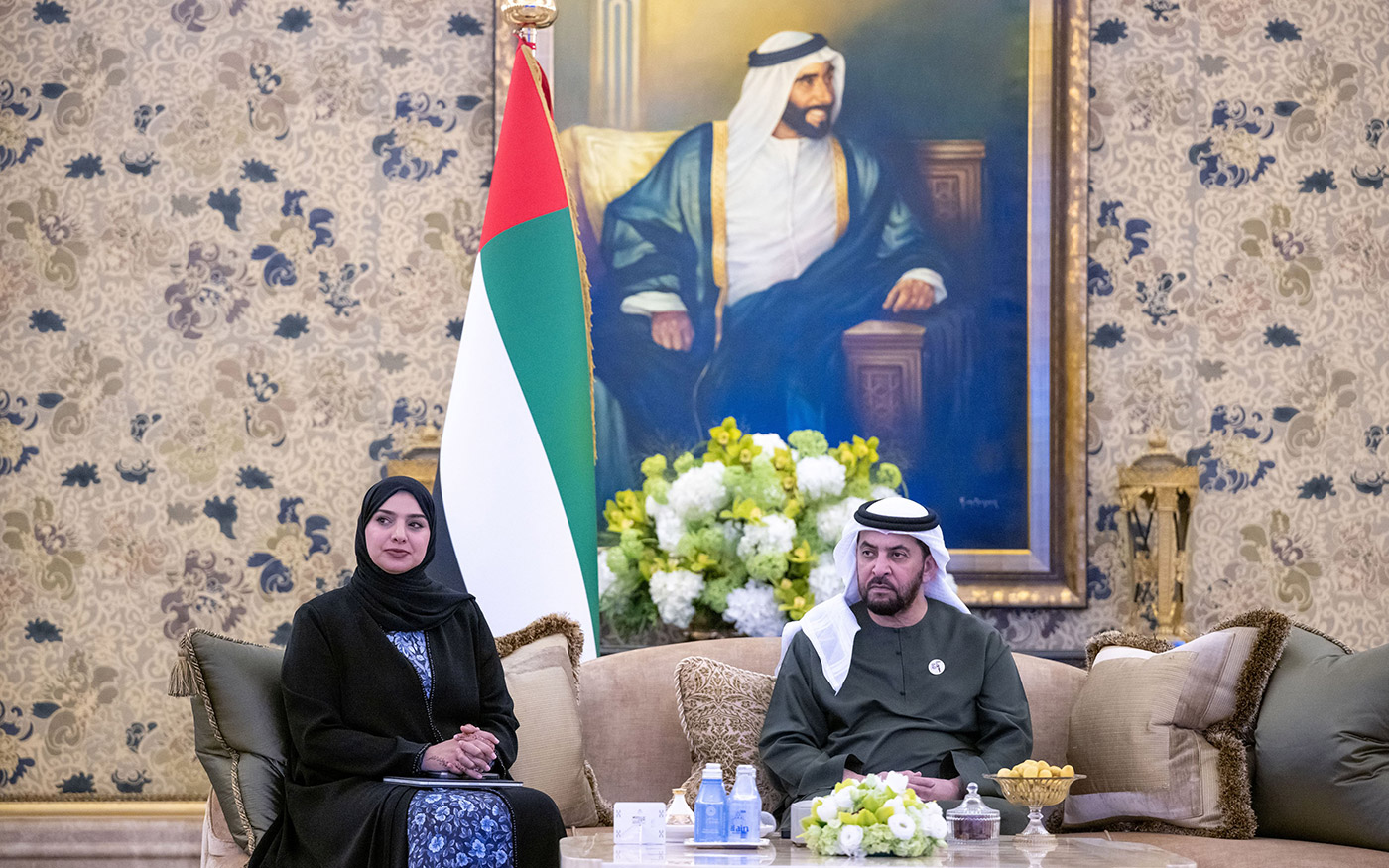
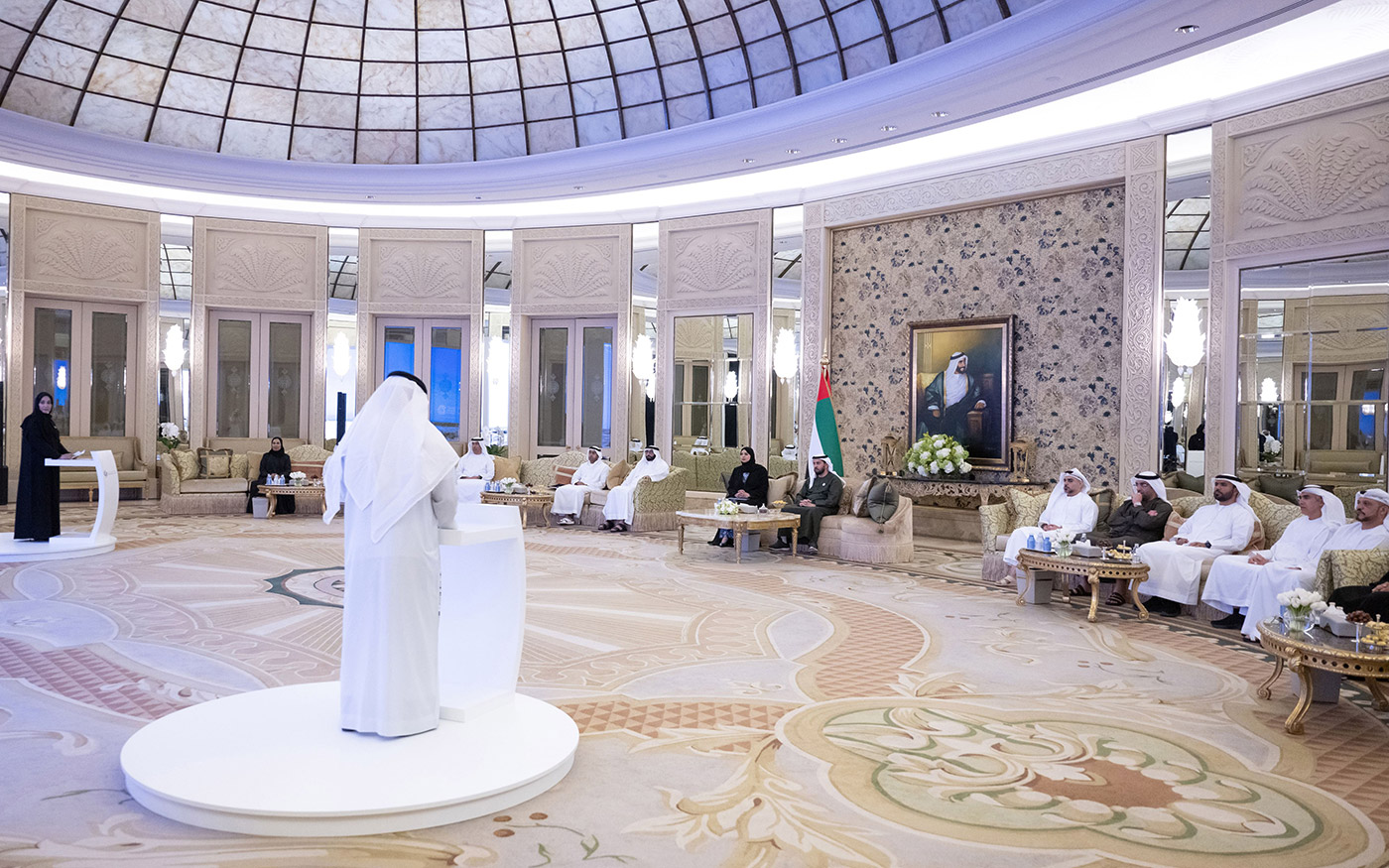
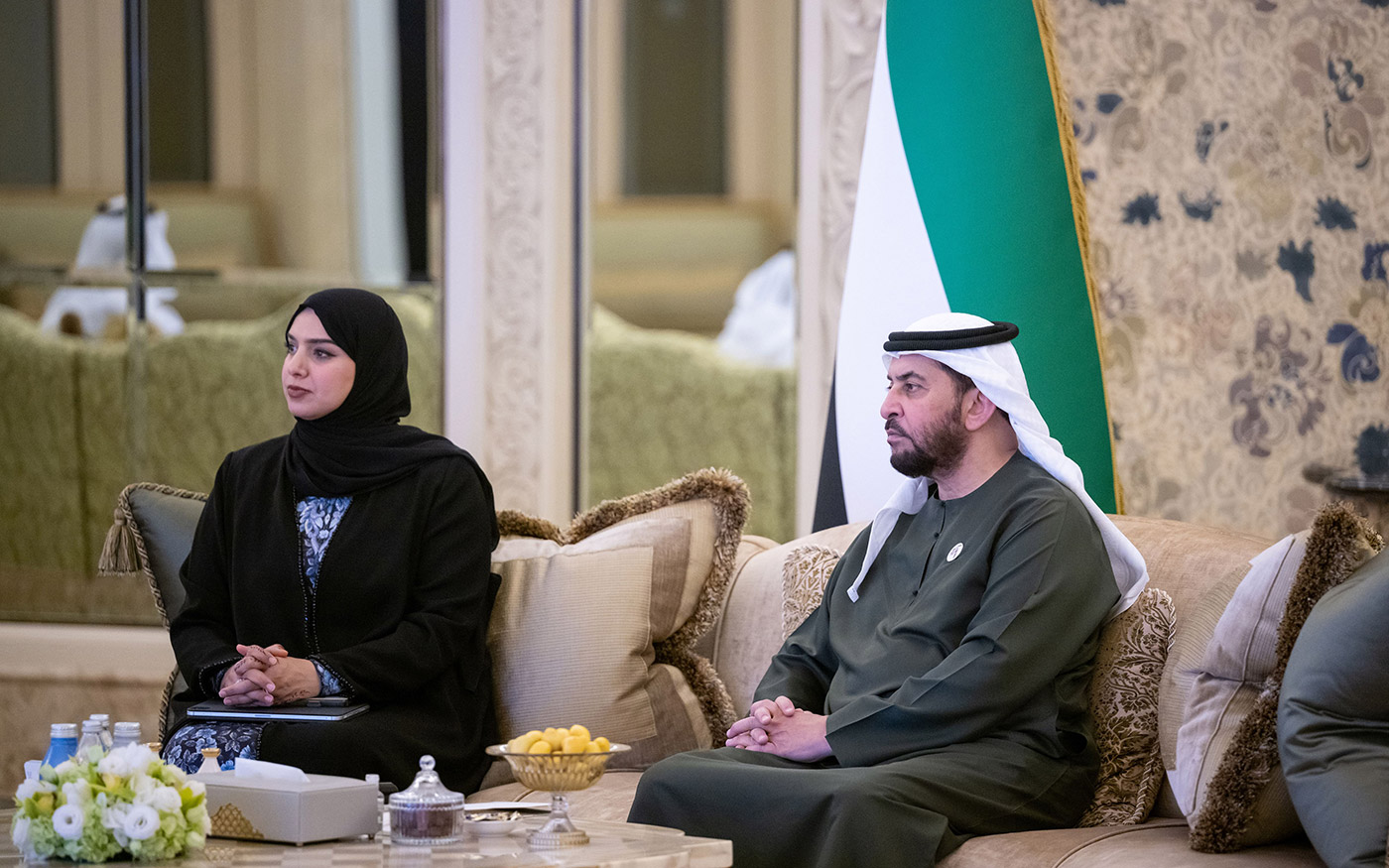
The meeting, held at Al Nakheel Palace, was attended by Dr. Amna bint Abdullah Al Dahak, Minister of Climate Change and Environment; Mohammed Ahmed Al Bowardi, Vice Chairman of the Board of Directors of EAD; Mansour Ibrahim Al Mansouri, Chairman of the Department of Health – Abu Dhabi (DoH); Ahmed Jasim Al Zaabi, Chairman of the Abu Dhabi Department of Economic Development (ADDED); Dr Abdulla Humaid Al Jarwan, Chairman of the Abu Dhabi Department of Energy; Nasser Mohammed Al Mansouri, Under-Secretary of the Ruler’s Representative Court in Al Dhafra Region; Dr Shaikha Salem Al Dhaheri, Secretary-General of EAD; and Dr Tariq Ahmed Al Ameri, Acting Director-General of the Abu Dhabi Agriculture and Food Safety Authority.
During the meeting, H.H. Sheikh Hamdan bin Zayed was briefed on the outputs of the EAD’s five-year plan (2021–2025) across its various sectors and the qualitative achievements it has yielded in the areas of environmental protection and the sustainability of natural resources.
The plan has both enhanced the efficiency of the environmental framework and supported the achievement of the emirate of Abu Dhabi’s objectives in this field. It also consolidated the Agency’s position as a leading regionally and globally, ranking first regionally and sixth globally in the areas of environmental compliance, inspection and enforcement, environmental knowledge and strategic governance.
H.H. Sheikh Hamdan bin Zayed praised the qualitative transformation led by the Agency in the environmental policy and legislation system, through the adoption of a scientific approach to its development and impact assessment, which has contributed to strengthening the enforcement and compliance system.
As a result of these efforts, the Emirate achieved a significant leap by the end of 2025, with the air quality index reaching 90 percent - exceeding the European average. The Agency also launched the “Eltezam” digital platform, which has reduced inspection visit times from approximately three hours to less than 30 minutes, while also doubling the productivity of inspectors.
This includes launching the region’s first climate change strategy, aligned with national objectives, which encompassed 80 projects led by 14 entities, contributing to an emissions reduction of 37 million tonnes. It also includes preparing the first adaptation plan for the environmental sector and launching a monitoring, reporting and verification (MRV) system that covered approximately 75 percent of the emirate's total emissions – all within the framework of an ambitious, data-driven and community-participated environmental vision.
The Agency also showcased the most prominent results and efforts achieved in the terrestrial and marine biodiversity sector, which saw the size of protected areas increase to cover about 20 percent of the Emirate’s total area.
There was also progress in implementing environmental initiatives aimed at rehabilitating natural habitats, most notably the Abu Dhabi Coral Gardens initiative, which included the planting millions of mangrove seedlings and wild seeds and the implementation of specialised programmes to propagate rare plant species.
H.H. Sheikh Hamdan bin Zayed Al Nahyan was also briefed on the Agency’s efforts in launching the “Hamdan bin Zayed: The World’s Richest Seas” initiative – one grounded in an integrated organisational and scientific approach. This initiative comes after the Emirate achieved 100 percent in the Sustainable Fisheries Index and aims to double its fish stocks, making Abu Dhabi’s waters among the highest densities globally by 2030, reflecting the success of integrated policies and procedures in sustaining fish stocks, protecting marine resources and enhancing national food security.
The Agency showcased the impact of its integrated environmental action plan, highlighting how the “Mission to Zero” campaign contributed to raising environmental awareness to 91 percent by 2025, while the single-use plastic policy successfully reduced consumption by 95 percent and prevented the use of hundreds of millions of plastic bags.
Additionally, the development of the State of the Environment Report previously required approximately 30,000 working hours and involved more than 60 experts. This marked a significant transformation, culminating in the creation of a unified environmental data platform powered by artificial intelligence, which reduced the report's preparation time to just one hour.
H.H. Sheikh Hamdan bin Zayed was also briefed on the latest developments related to EAD’s 2026–2030 strategy, which enshrines its vision of achieving a thriving environment for the emirate that contributes to a more sustainable global future.
The strategy focuses on key priorities, including accelerating the transition to zero waste, promoting a circular environmental approach, enabling ecotourism in Abu Dhabi, leveraging modern science and technologies such as artificial intelligence and automation, developing effective policies, and providing smart and sustainable solutions. This will enhance Abu Dhabi’s global standing in preserving nature for generations to come.
H.H. Sheikh Hamdan bin Zayed Al Nahyan praised the Agency’s role in instilling a culture of sustainability in children, which will ensure the continuity of efforts to protect biodiversity, improve air and water quality and promote sustainable management of natural resources and environmental awareness in the future.